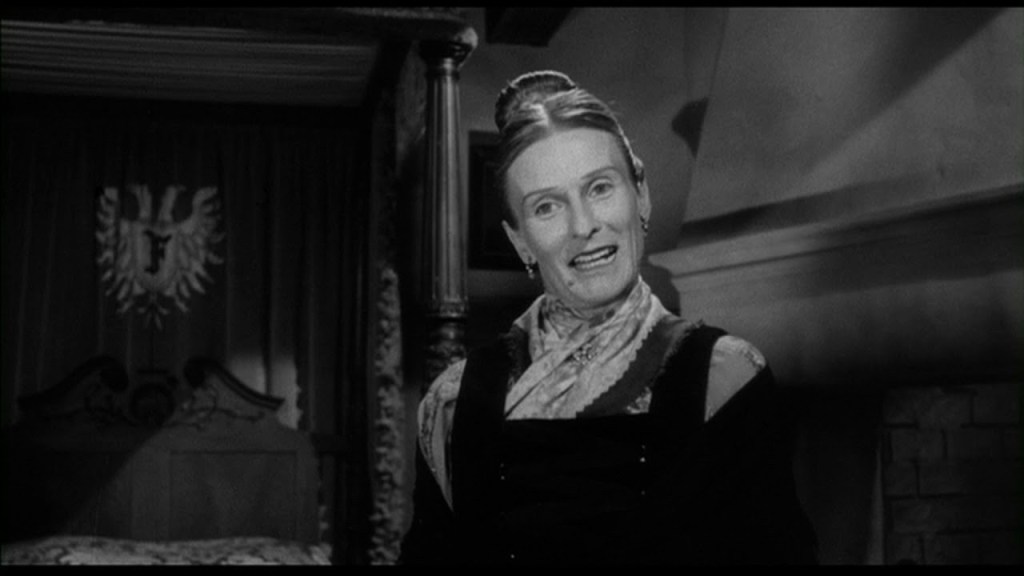
“Stay close to the candles. The staircase…can be treacherous” – Cloris Leachman, Young Frankenstein (1974)
Horror-comedies have a special place in my heart. They recognize that horror and comedy share many foundational traits. Both address discomforts of life and trauma, just with very different lenses. The first horror-comedy I remember watching (over fifteen years ago) is Young Frankenstein (1974), written and directed by the great Mel Brooks. Unlike many parody horror-comedies, Young Frankenstein pays homage to the moody and romantic cinematic storytelling of the films that inspired it.
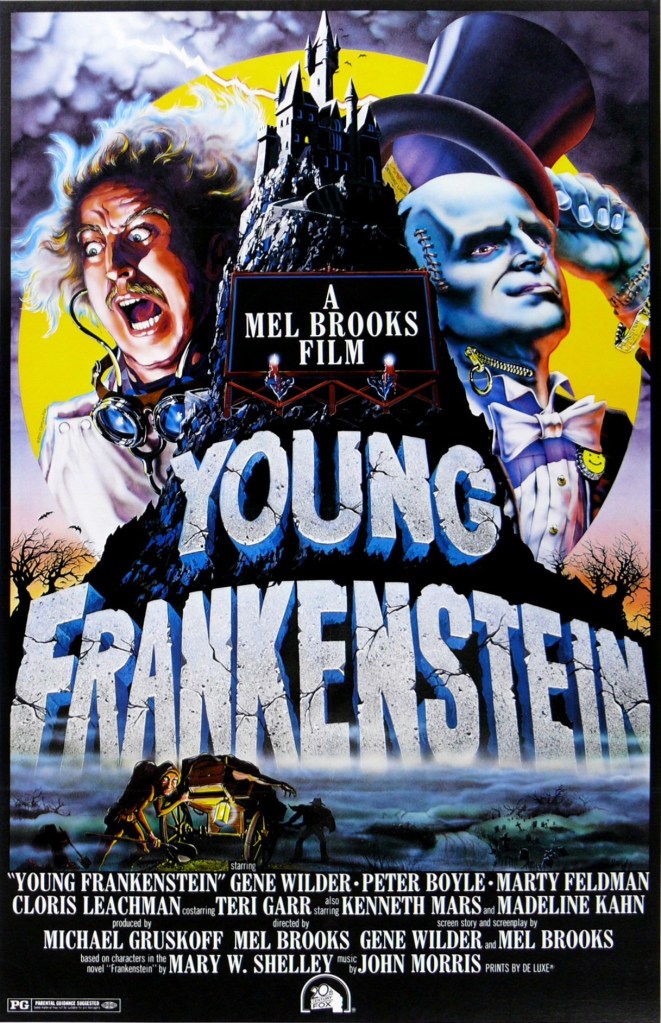
The story begins with a representative from Transylvania sitting in on a lecture by Dr. Frederick Frankenstein (Gene Wilder). While Dr. Frankenstein (pronounced Fronkensteen) attempts to educate young doctors on the central nervous system, he is pelted with questions about his infamous lineage. Frustrated by the questions and the insinuation that he must be interested in bringing the dead to life, he shuts down the interrogation and dismisses the class. He is then approached by the man from Transylvania, who has come to deliver the news that Frederick has inherited the estate of his great-grandfather. Intrigued to see what has been passed down to him, Frederick is next shown waiting for a train to Transylvania with his eccentric fiancée, Elizabeth (Madeline Kahn). They say goodbye as Frederick begins the journey to Transylvania on his own.
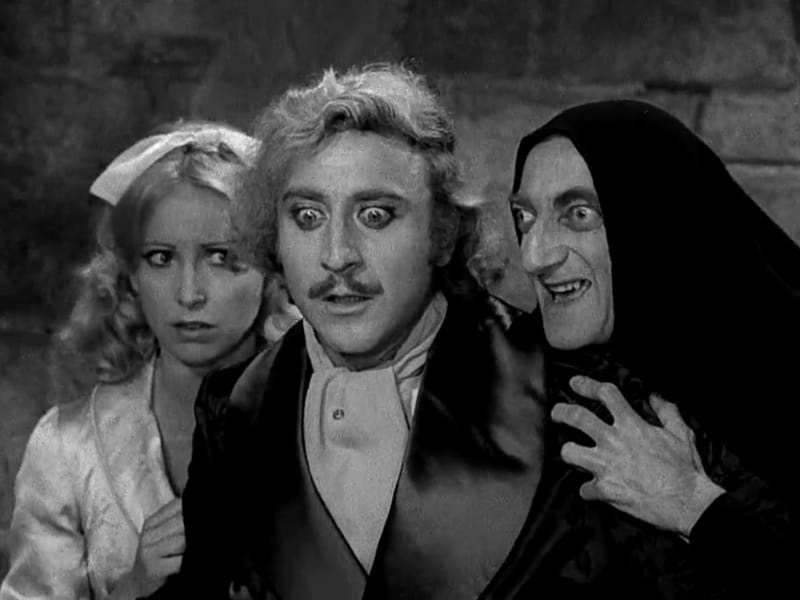
Frederick arrives at an isolated train station. He is greeted by Igor (pronounced Eye-gor), who will be assisting him during his time in Transylvania. In a carriage ride to the Frankenstein castle, Frederick meets local Transylvanian, Inga (Teri Garr), who has also been hired to assist at the castle. The trio are greeted at the castle’s massive doors by an eerie caretaker named Frau Blucher (Cloris Leachman). That night, Inga is drawn to Frederick’s room when he shouts from a nightmare. They both hear a violin playing within the walls. When they investigate, they come across Igor, who has also been lured by the music.
They eventually come to large room full of scientific equipment. Frederick realizes it is his grandfather’s lab, where the feared creature of years before was brought to life. Frederick finds his grandfather’s notes and sets out to read them right away. Inspired by the possibility of what he reads in the book, Frederick is driven by a newfound dream to reanimate a deceased man. Frederick, with the help of Igor and Inga, is eventually successful. Like his grandfather before him, however, he soon discovers the reality of his creation and what new dangers he has brought upon the world.
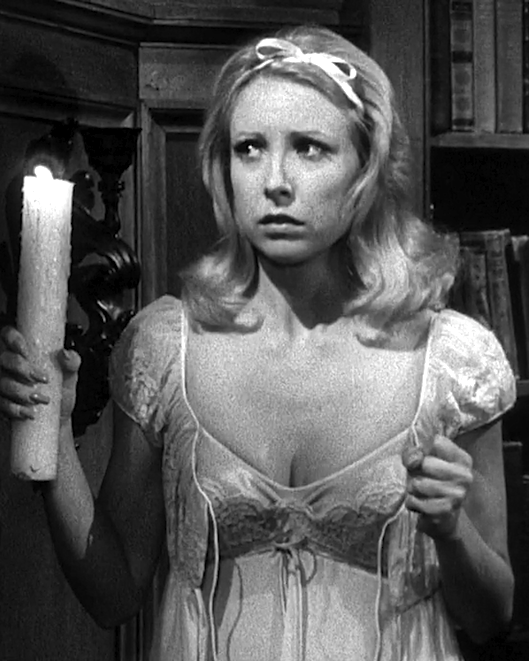
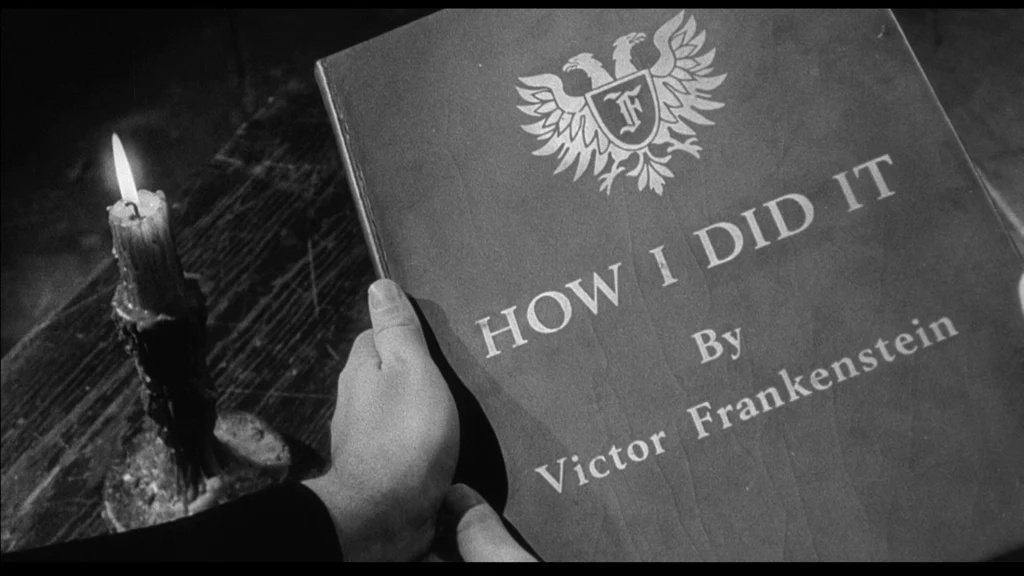
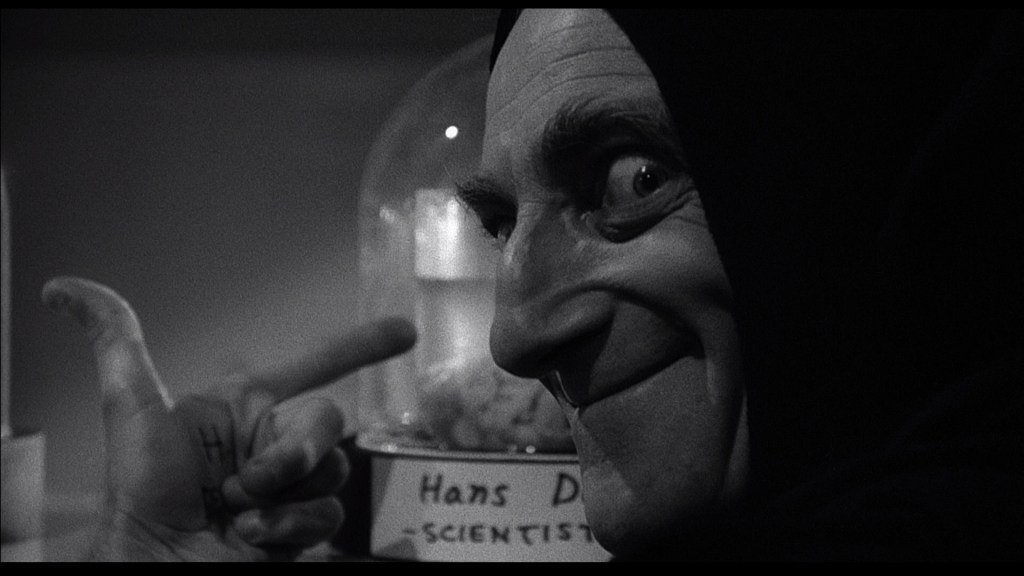
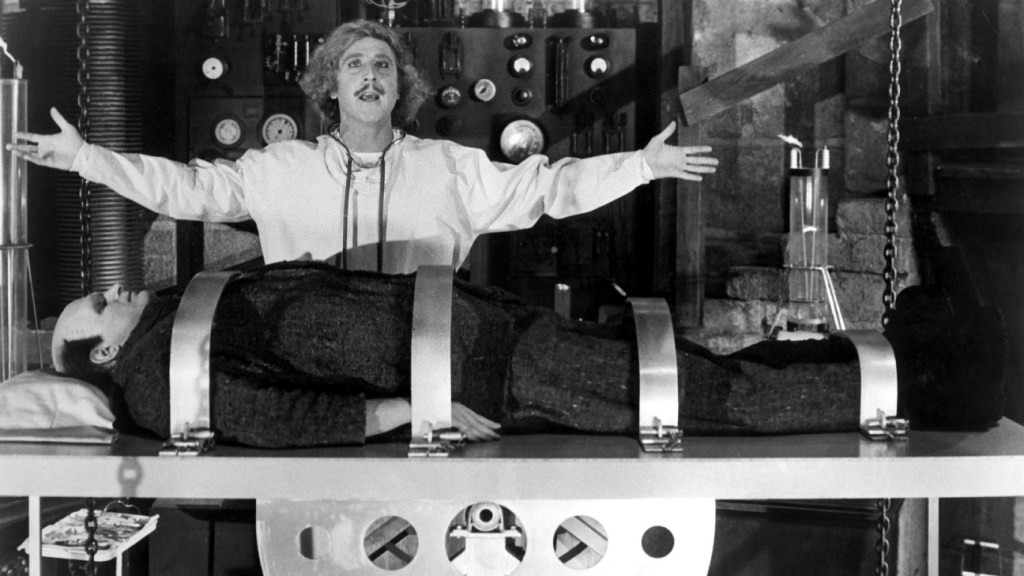
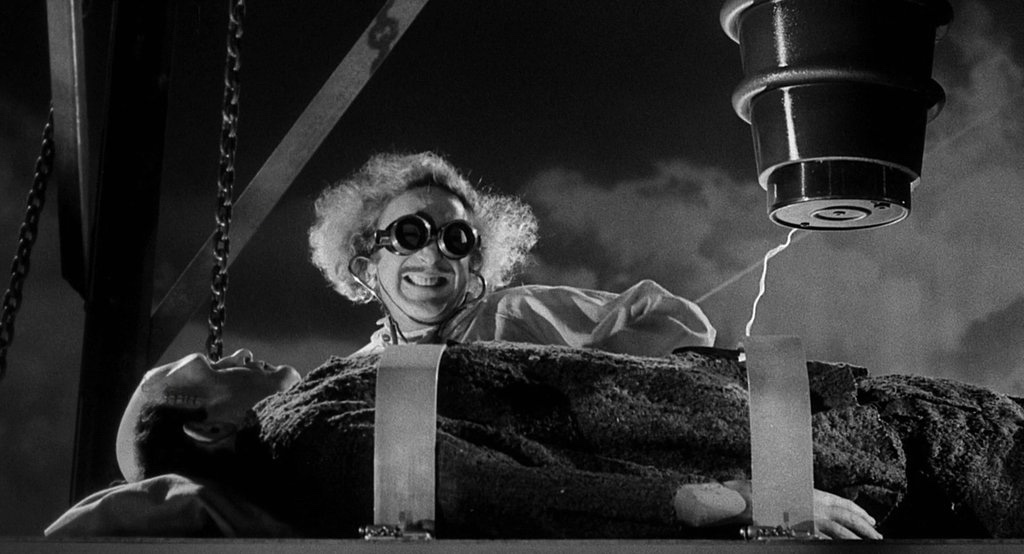
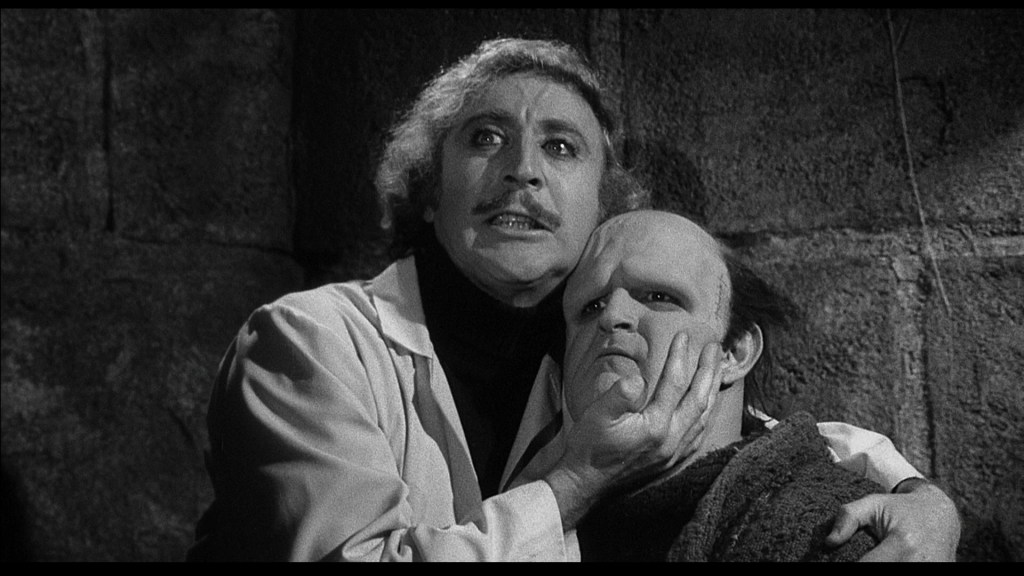
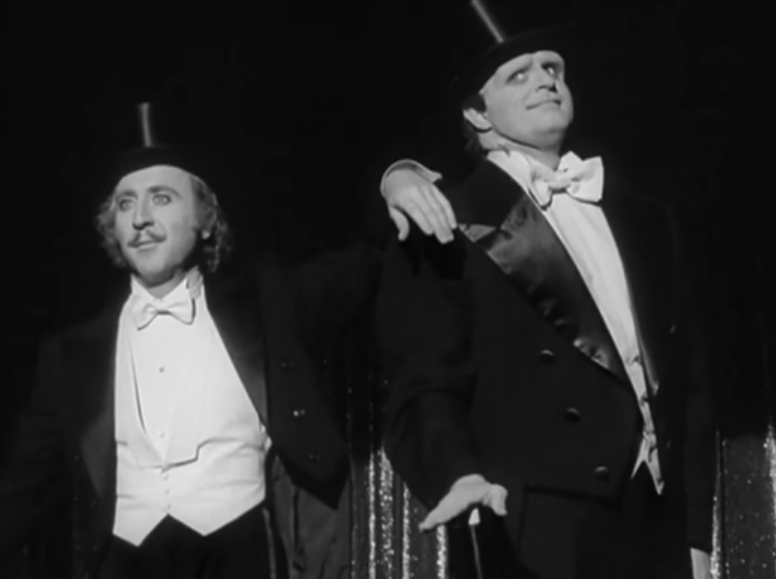

Young Frankenstein is a spooky season favorite as well as my favorite comedy of all time. It is an unmatched blend of 1930s horror film visuals, smart dialogue, sympathetic characters, and uproarious comedy. This movie opened my interest to other horror-comedies that have enriched my life, such as The Ghost and Mr. Chicken (1966) and Dracula: Dead and Loving It (1995; also a Mel Brooks film). Young Frankenstein also led me to James Whale’s Frankenstein (1931) and The Bride of Frankenstein (1935) and, as a result, my love of classic monster movies. I owe a lot to Young Frankenstein, and it will have a special place in my collection for a very long time.
Thank you for three years and one hundred installments of By Night. There is so much more to come.
Until next time,
Jordan

 By Night