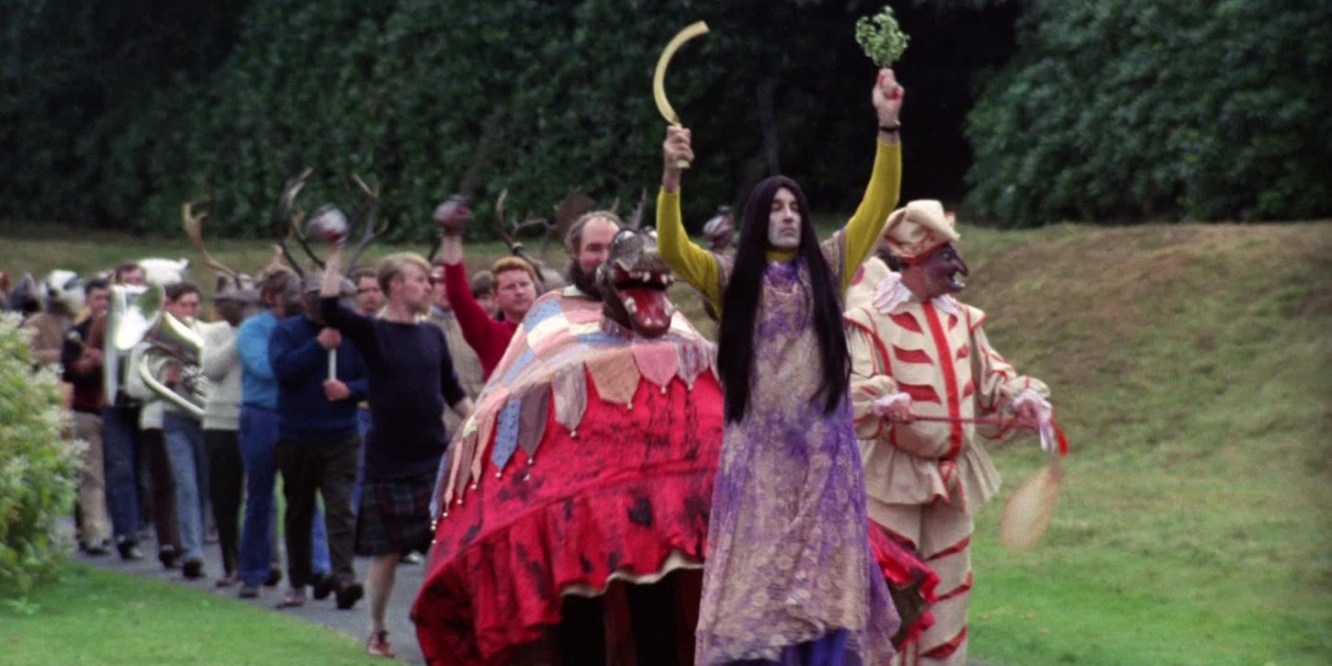
This May Day, it’s finally time to dive into one of the most influential folk horror films of all time: The Wicker Man (1973) by Robin Hardy. The Wicker Man is as atmospheric as it is mysterious (and surprisingly musical). It is one of the most satisfying horror films I can think of, with unique and engaging visuals, the perfect amount of suspense, and an ending that will never be forgotten.
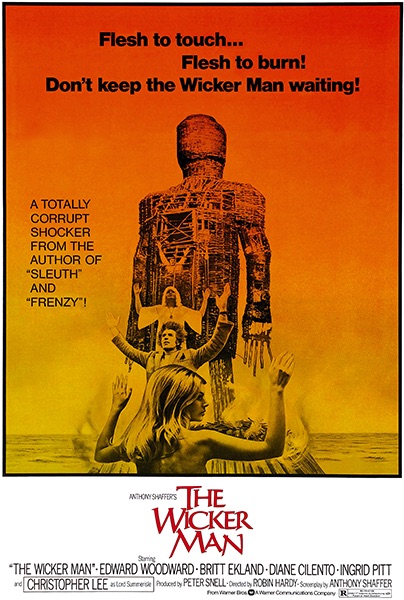
The movie begins with a police officer from the West Highlands of Scotland arriving at the Scottish island of Summerisle by plane. Sergeant Howie (Edward Woodward) has been sent to the island to investigate the disappearance of a young girl named Rowan Morrison. He (“Sgt. Howie” from here onward) shows her school picture to everyone he meets and asks if they know her. No one in the community will admit that they have ever seen her. Not even the woman who is meant to be Rowan’s mother tells Sgt. Howie what he expects to hear.
As Sgt. Howie makes his rounds of the island and speaks to residents of all ages, his suspicion that they are all hiding something rises. In addition to his frustrations with the islanders’ resistance, Sgt. Howie is appalled by their culture and religious practices. The people of Summerisle practice paganism (defined as a religion other than major world religions). Most of their customs are expressed through communion with nature and open sexuality. Being a Christian man, Sgt. Howie is offended at every turn and chastises the islanders for having no monuments to Christianity or any discussion of Jesus Christ.
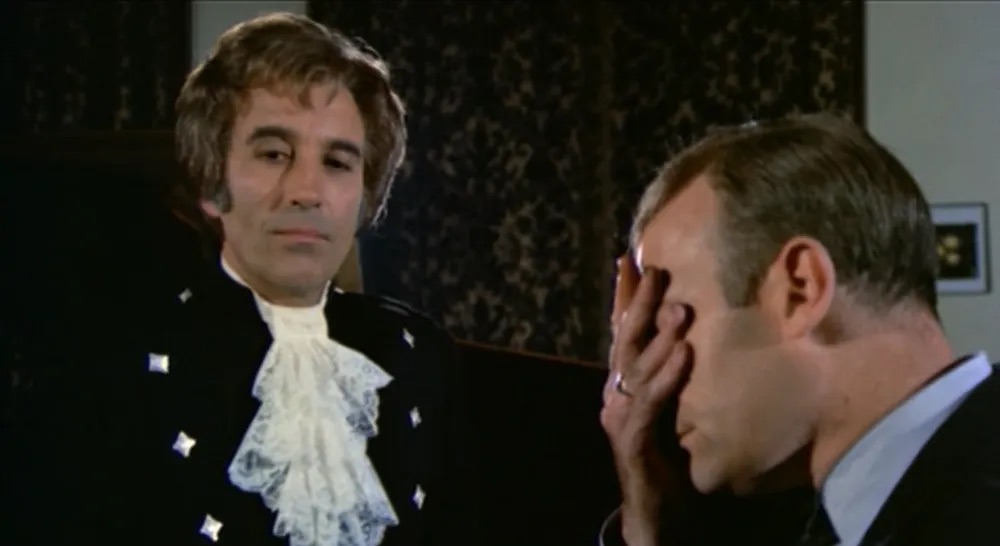
His patience wearing thin, Sgt. Howie confronts the community and accuses them of interfering with his investigation. He eventually gets enough information out of a schoolteacher to discover a grave marked with Rowan’s name. The islanders claim they do not believe in death as Christians do, and that is why no one said Rowan had died. To exhume the grave and finally get answers, he needs permission from Lord Summerisle, the ruler of the island. He meets Lord Summerisle (Christopher Lee) and shares his grievances. Summerisle defends the community and tries to explain their customs by sharing their history with Sgt. Howie. Summerisle is known for its fruit exports, especially apples. The islanders rely on their crops to survive (literally and economically). They believe their pagan lifestyle and rituals influence the land to yield their crops. With Lord Summerisle’s permission, Sgt. Howie has the grave excavated. He opens the coffin to find a dead March hare and no trace of Rowan.
Sgt. Howie starts to return to the mainland on May Day, a pagan holiday that celebrates the fruits of labor. On his way off the island, mechanical issues force him to stay. He uses the cover of the May Day celebrations to observe the islanders more inconspicuously. Following the islanders in disguise, Sgt. Howie finds the truth more dreadful than he ever imagined.
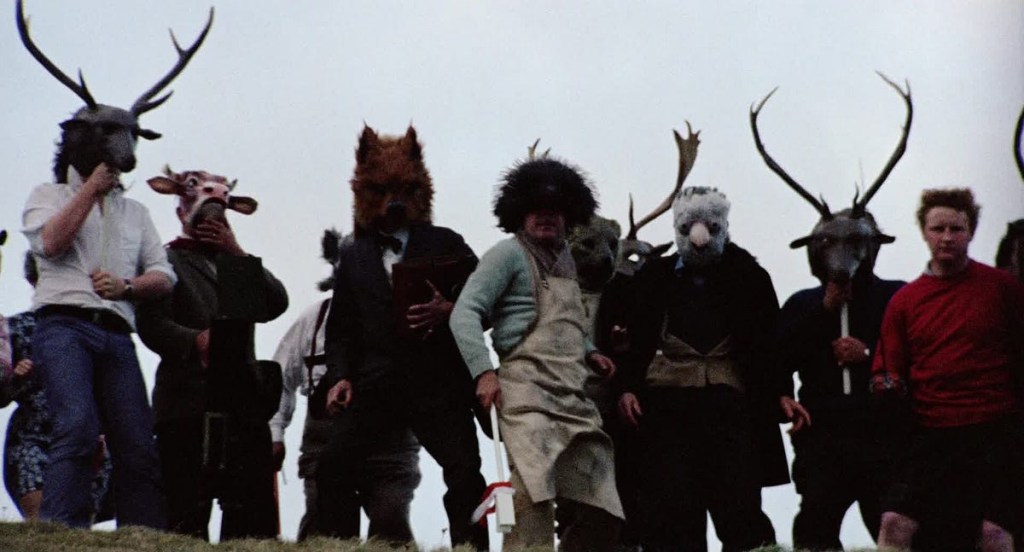
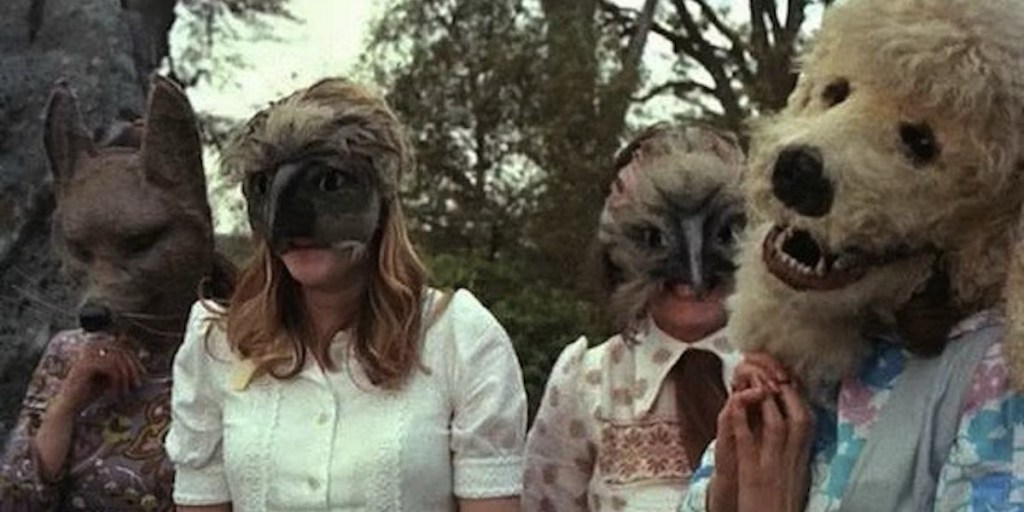
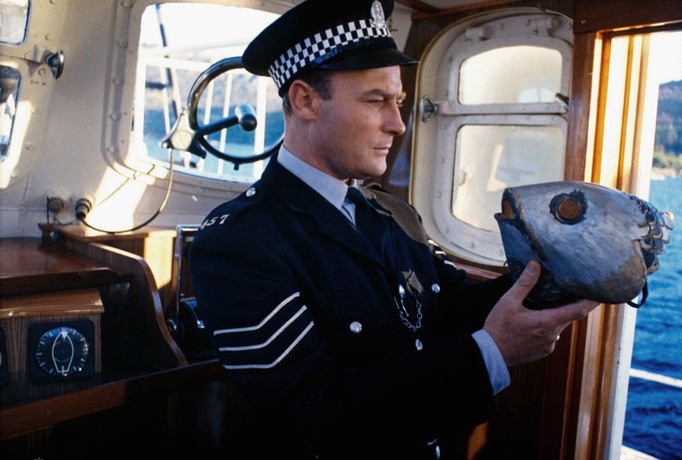
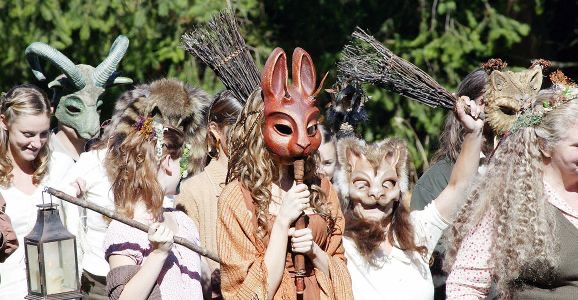
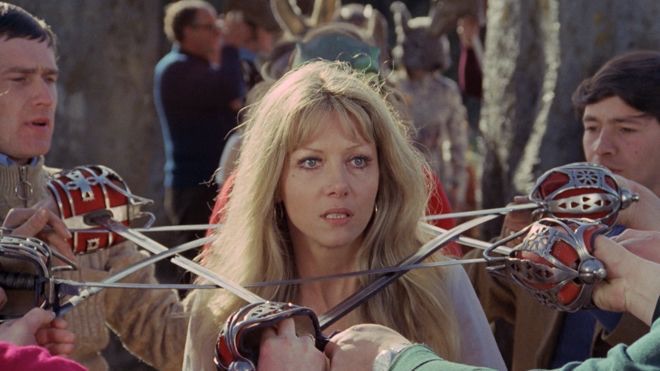
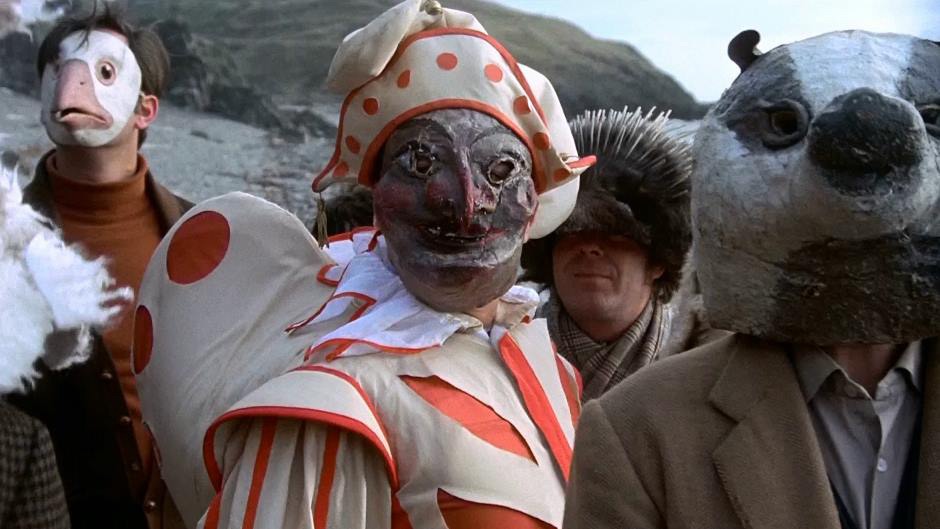
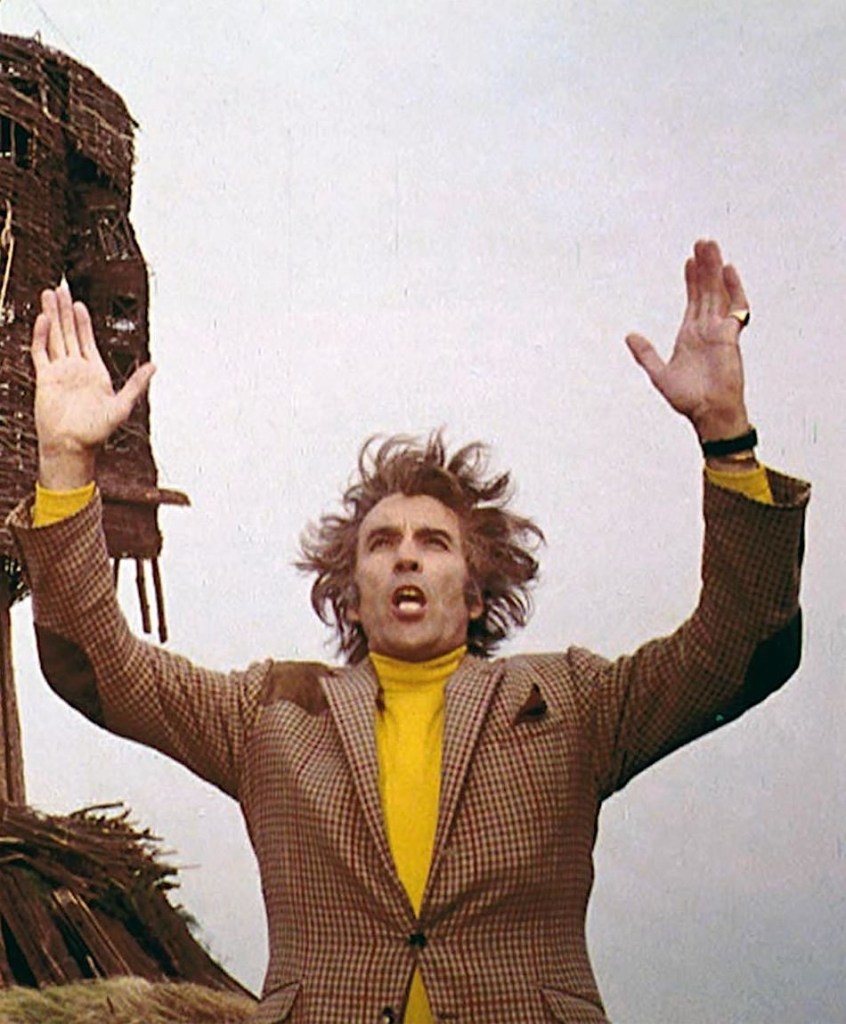
The Wicker Man is a pillar of 70s horror cinema for many reasons. Its famous climax rocked horror cinema, and its immersive folk horror theme influenced many films and literature to come. The film’s cultural impact caused ripples as well. A novelization of the film was written by Robin Hardy and Anthony Shaffer (the original screenwriter) and published in 1978. Chances are, you are familiar with the 2006 remake starring Nicolas Cage (hint: bees). The Wicker Man (1973) was released over fifty years ago, and it will hopefully continue to be enjoyed by all generations of horror fans. When I think of horror films I wish I could watch for the first time again, The Wicker Man is always at the top of the list.
Until next time,
Jordan

 By Night